
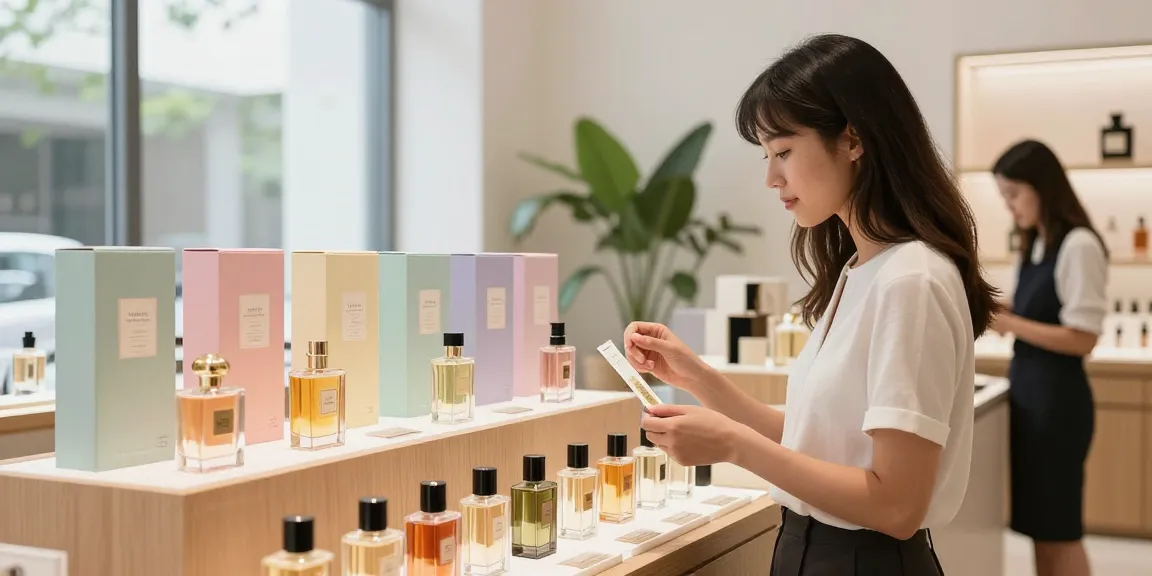
The Evolution of Fragrance Trends in 2026
As we step into 2026, the fragrance landscape is undergoing significant transformations, influenced by shifting consumer preferences, technological advancements, and cultural shifts. This year promises an array of innovative scents and trends that not only appeal to personal preferences but also align with broader social values such as sustainability and inclusivity. When exploring options, Fragrance Trends emerging in the market will showcase a blend of nostalgia and modernity, offering a palette of smells that resonate with varied demographics.
Understanding the Shift in Consumer Preferences
In recent years, consumers have become increasingly discerning regarding the scents they choose, gravitating toward fragrances that reflect their identities and lifestyles. This shift is marked by a desire for personal expression rather than conformity, leading to a rising demand for niche fragrances that offer unique and individualistic scents. Additionally, there is a growing awareness and preference for clean and sustainable products, prompting brands to reconsider ingredient sourcing and production methods.
Key Trends Dominating the Fragrance Industry
The primary trends expected to dominate the fragrance industry in 2026 include:
- Interactive Fragrances: Technology is allowing consumers to experience scents in multi-sensory ways, such as through augmented reality or customizable fragrance options.
- Gender Fluidity: More brands are embracing gender-neutral scents that appeal to all, removing traditional boundaries of male and female fragrances.
- Clean and Green Ingredients: Eco-conscious consumers are demanding perfumes made with natural and biodegradable ingredients, resulting in a rise of clean fragrance brands.
- Layering Scents: The practice of scent layering is becoming popular, where consumers combine multiple fragrances to create custom olfactory experiences tailored to their moods.
Environmental Considerations in Scent Development
With climate change and environmental sustainability at the forefront of consumers’ minds, fragrance brands are increasingly focusing on eco-friendly practices. This includes using sustainably harvested ingredients, reducing waste during production, and opting for recyclable or refillable packaging. Brands like Kilian and Maison Francis Kurkdjian are at the forefront of this movement, emphasizing their commitment to sustainability through their product lines.
Exploring Popular Fragrance Categories
Gourmand Scents: The Rise of Comfort and Indulgence
Gourmand fragrances, characterized by edible or dessert-like qualities, continue to gain popularity as consumers seek comfort in their scent choices. These fragrances evoke feelings of warmth and nostalgia, often featuring notes like vanilla, caramel, and chocolate. This year, expect to see more innovative takes on gourmands, with ingredients sourced from around the globe, creating a more diverse representation in this category.
Citrus and Fruity Notes: Brightening Up Perfume Choices
Bright and uplifting scents are also making a comeback, especially citrus and fruity notes that add a refreshing twist to traditional fragrances. Ingredients like bergamot, grapefruit, and tropical fruits are becoming staples in many new releases, appealing to consumers looking for vibrant and energizing scents. Brands are experimenting with layering these notes with floral and woody undertones for a balanced fragrance experience.
Niche Fragrances: A Move Towards Unique Offerings
The niche fragrance market is thriving as consumers seek out unique, artisanal scents that tell a story. These fragrances often derive inspiration from various cultures and traditions, thus resonating deeply with consumers who value authenticity. As the market matures, brands will continue to explore unconventional ingredients and formulate scents that challenge the status quo.
Market Dynamics: What Influences Fragrance Trends?
Examining Seasonal and Cultural Influences
Fragrance trends are heavily influenced by seasonal changes and cultural events. For instance, comforting scents often prevail in winter months, while fresh and floral fragrances become prominent in spring. Cultural festivities and celebrations, such as holidays or local traditions, also inspire limited-edition releases that resonate with collective memories and experiences.
The Role of Social Media and Influencers
Social media platforms, particularly Instagram and TikTok, have become vital for fragrance marketing. Influencers and content creators are shaping consumer perceptions and trends, highlighting products from both established and emerging brands. Viral trends, such as “scent stacking,” have encouraged users to explore and experiment with different combinations, further driving sales and interest in niche scents.
Innovative Marketing Strategies in the Fragrance Space
With the fragrance industry becoming increasingly competitive, brands are leveraging innovative marketing strategies to stay relevant. This includes using digital storytelling, interactive ads, and sensory experiences in retail environments. Creating immersive pop-up events or partnering with artists and musicians for capsule collections offers consumers a unique way to engage with fragrance brands.
Challenges in the Fragrance Industry
Addressing User Allergies and Sensitivities
As awareness around allergies and skin sensitivities increases, fragrance brands are faced with the challenge of addressing these concerns. Many consumers now seek hypoallergenic options, leading brands to reformulate their products to exclude common allergens while still delivering appealing scents. Transparency in ingredient lists is becoming essential for building consumer trust.
Counterfeit Products: Protecting Brand Integrity
The prevalence of counterfeit perfumes poses a significant threat to brand integrity and consumer safety. Brands must invest in authentication technologies and consumer education to help differentiate between genuine and fake products. Implementing blockchain technology for tracking product provenance is one solution that some companies are embracing to combat counterfeiting.
Balancing Luxury and Accessibility
While the luxury fragrance market continues to flourish, brands are also recognizing the need for accessible options. Consumers want high-quality products at various price points, prompting brands to develop tiered pricing strategies without compromising on ingredients or craftsmanship. Collaborations between niche and mainstream brands may pave the way for this balance.
The Future of Fragrance Trends Beyond 2026
Anticipating Changes in Scent Creation Technologies
The future of fragrance development will see increased use of artificial intelligence and machine learning in creating and testing scents. These technologies can analyze consumer preferences and predict trends, allowing brands to develop products that are more aligned with market desires. As these technologies advance, we can expect a new wave of innovative fragrances tailored to diverse consumer tastes.
Predictions for Consumer Behavior and Preferences
As the fragrance market evolves, consumer preferences are likely to shift toward more personalized experiences. Expect a rise in customizable fragrance options that allow consumers to create scents that reflect their unique identities. Personalized subscriptions that deliver scents based on individual profiles are also anticipated to gain traction.
Potential Collaborations and Trends on the Horizon
Collaborations between fragrance houses and unexpected industries, such as fashion or technology, are expected to flourish. These partnerships may lead to the development of unique fragrance products that appeal to diverse consumer bases. As brands explore cross-industry collaborations, the possibilities for innovative scent offerings are virtually limitless.
What Are the Emerging Fragrance Trends to Watch?
Key emerging trends to keep an eye on include the rise of post-modern fragrances characterized by experimental blends of notes and the return of classic scents reimagined for contemporary audiences. Additionally, the use of storytelling within scent composition—where each fragrance captures a particular narrative or emotion—will become a captivating focus for brands.
How Will Sustainability Shape Future Fragrance Industries?
Sustainability will remain a driving force in the fragrance industry. From sourcing raw materials to packaging design, brands will be challenged to adopt environmentally friendly practices while ensuring that their products meet the evolving demands of eco-conscious consumers. The establishment of standards for sustainability will likely influence consumer loyalty and purchasing decisions.
What Innovations Can We Expect in the Fragrance Market?
Innovations in perfumes will likely encompass advances in scent delivery systems, such as wearable technology that can diffuse fragrances subtly and continuously. The integration of smart home technologies that allow users to customize scent environments through apps is another anticipated development, creating a more interconnected and immersive experience.